
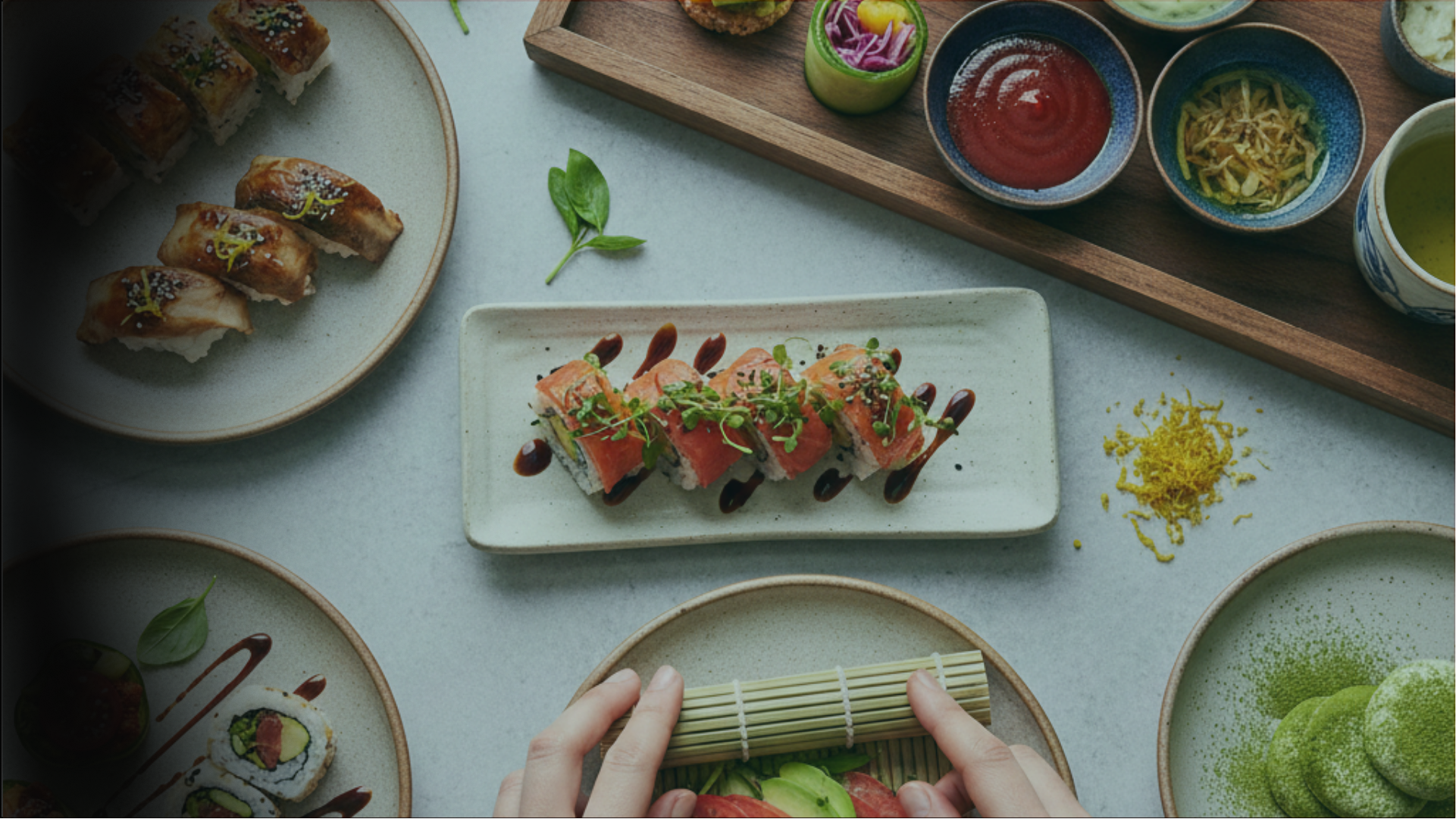
Explore the bold, imaginative new era of
Japanese cuisine in 2025
Introduction:
A Fresh Wave in Japanese Cuisine

Japanese cuisine has long been admired for its elegance, balance, and artistry.
But in 2025, it’s not just tradition capturing attention — it’s reinvention. As global tastes evolve and social media reshapes how people discover food, Japanese cuisine is entering a bold, imaginative new era.
Whether you're a chef, business owner, or passionate foodie, these rising trends offer exciting opportunities to refresh menus, inspire content, and explore Japanese cuisine through a modern lens.
Here are the three biggest Japanese food trends transforming the dining landscape right now.
Trend #1
Plant-Based and Ocean-Based Japanese Cuisine
With global interest in wellness and sustainability, Japanese cuisine is leading the way in natural, plant-forward innovation.
Why This Trend Is Growing
More consumers are choosing plant-based meals for health and longevity.
Social media is amplifying “eco-friendly eating.”
Classic Japanese ingredients — seaweed, mushrooms, konjac, root vegetables — naturally fit the plant-forward movement.
Why This Trend Is Growing
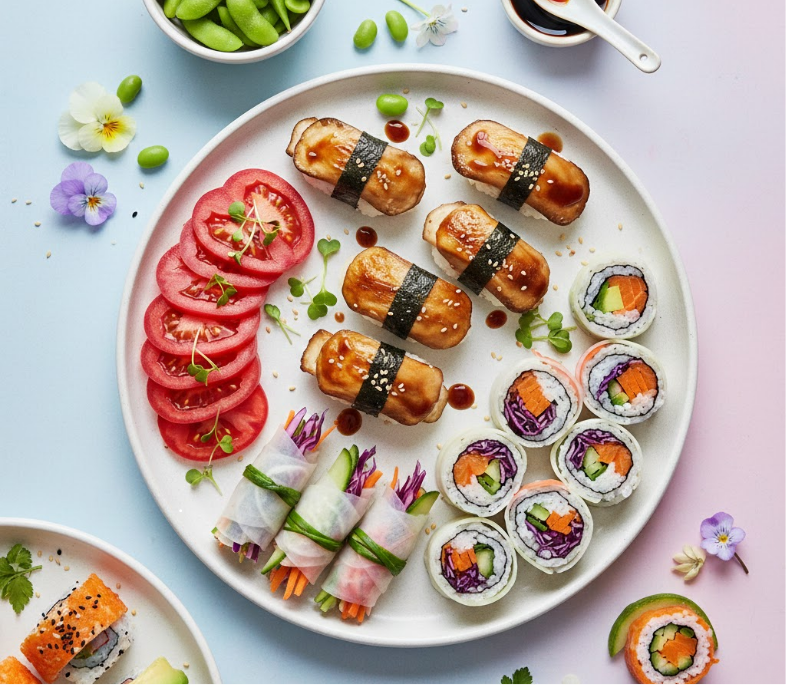
Tomato sashimi and tofu “fish” replacing tuna and salmon
Veggie nigiri topped with grilled eggplant, sweet potato, or pickled daikon
Seaweed + algae-based dishes following Japan’s ocean-vegetable traditions
Rice-free sushi wrapped in cucumber or daikon sheets
Why People Love It
These dishes are colorful, nutrient-dense, refreshing, and aligned with modern desires for clean, feel-good meals.
Trend #2
Japanese Fusion & Global Flavor Mashups
Fusion is becoming a core movement in Japanese cuisine, not just a novelty.
What’s Driving This Trend
Younger chefs are pushing boundaries with global ingredients
Travelers want Japanese takes on flavors they loved abroad
Social platforms reward new twists on tradition
Popular Fusion Styles Right Now

Latin–Japanese

Tahini dressings
Sesame-za’atar rice bowls
Middle Eastern –Japanese

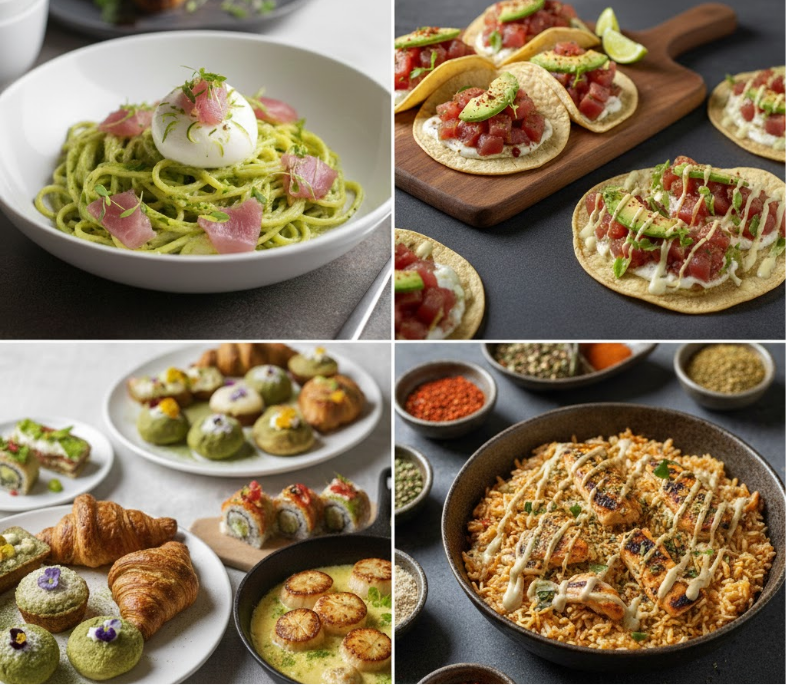
Miso carbonara
Yuzu pesto
Burrata-topped sushi
Italian–Japanese

Matcha pastries
Truffle sushi rolls
Soy-butter scallops
French–Japanese
Why This Trend Is Growing
Fusion is becoming more refined and intentional. Chefs are pairing cuisines that naturally complement each other — building dishes that feel both exciting and familiar.
Spicy tuna tacos
Sashimi tostadas
Cilantro-yuzu sauces
Trend #3
Experience-Driven Dining & At-Home Sushi Culture
In 2025, food is less about eating — and more about experience.
What Modern Diners Want
Interactive and immersive dining
Behind-the-scenes moments
Social-media-ready plating
Personal connection with chefs
“Edutainment”: learning + eating
How This Appears in Japanese Cuisine
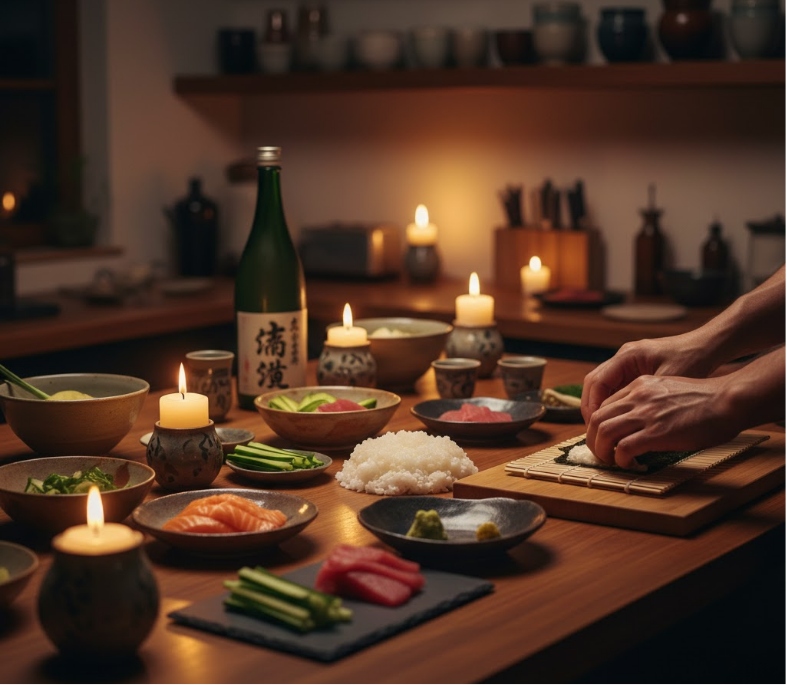
Omakase experiences emphasizing intimacy, storytelling, and craftsmanship
Home sushi nights + micro-catering events
Chef collaborations + limited-time pop-ups
DIY sushi kits and tasting flights
Short-form sushi content (slicing, plating, marinating, shaping rice)
Why People Love It
These moments turn sushi into a memory, not just a meal — something worth sharing, posting, and revisiting.
How These Trends Shape the Future of Japanese Cuisine

Across all three trends, three major themes stand out:

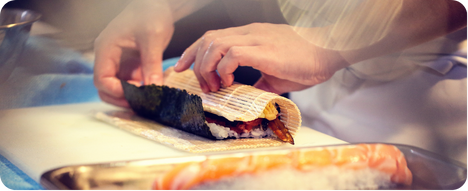

Chefs and home cooks are pushing boundaries, blending cuisines, and reinventing classics.

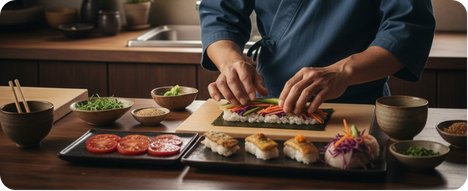

Plant-based ingredients, clean flavors,
and low-waste philosophies
align with global values.

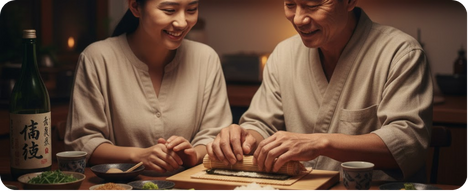

People crave meaningful food experiences
— whether through a chef’s story or a hands-on at-home sushi night.
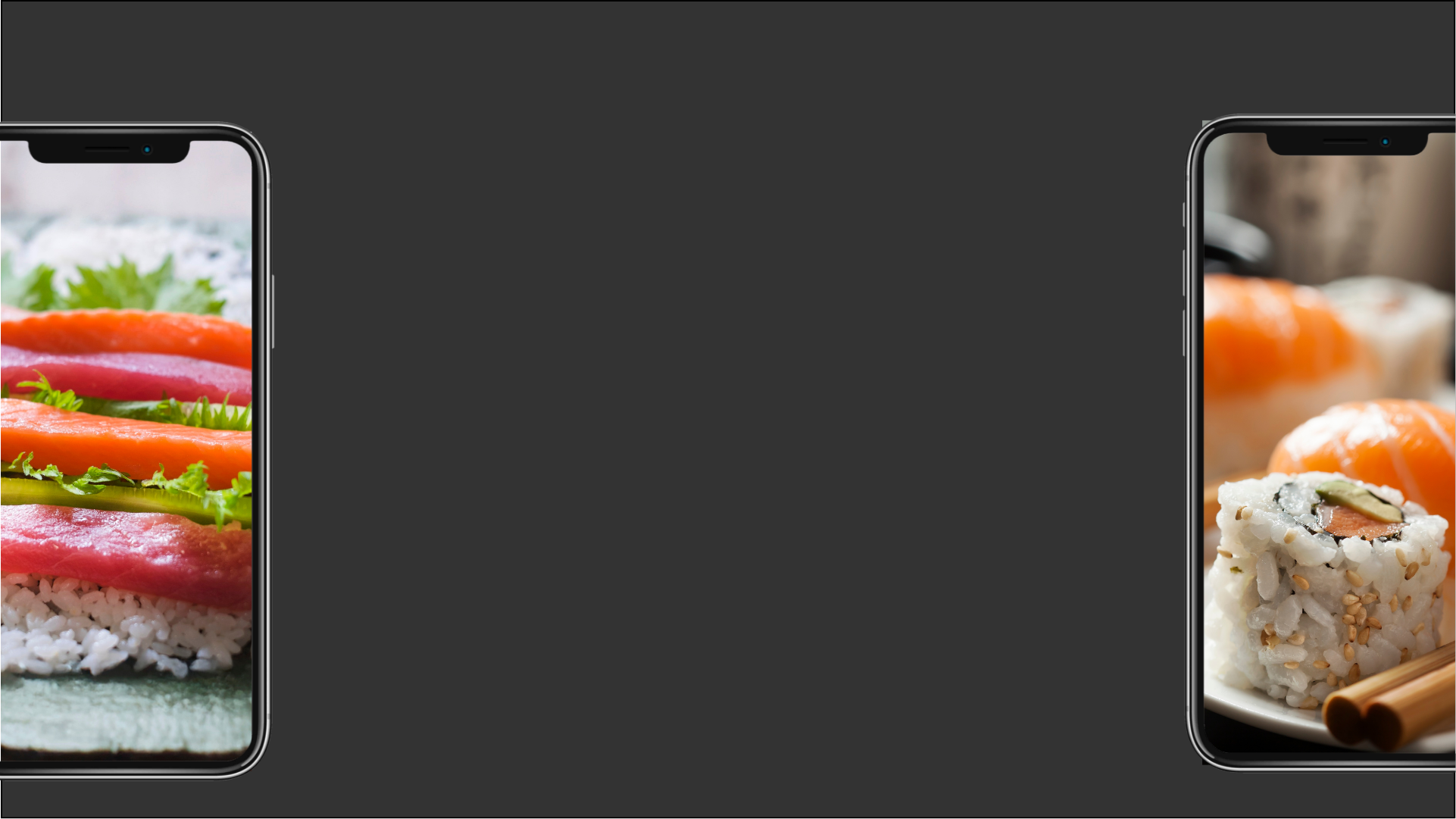
These trends create opportunities for:
Restaurant menu updates
Food content creation
Pop-up concept development
Hosting memorable sushi nights
Brand-building in the culinary space
Conclusion:
A Delicious Future Ahead
Japanese cuisine continues to lead global food culture because of its balance of tradition and innovation.
In 2025, that balance becomes:
healthier
bolder
more creative
more interactive
Whether you're a chef or home cook, there has never been a better time to explore the evolving world of Japanese cuisine. Dive into these trends, experiment with flavors, and create food experiences that tell a story.